
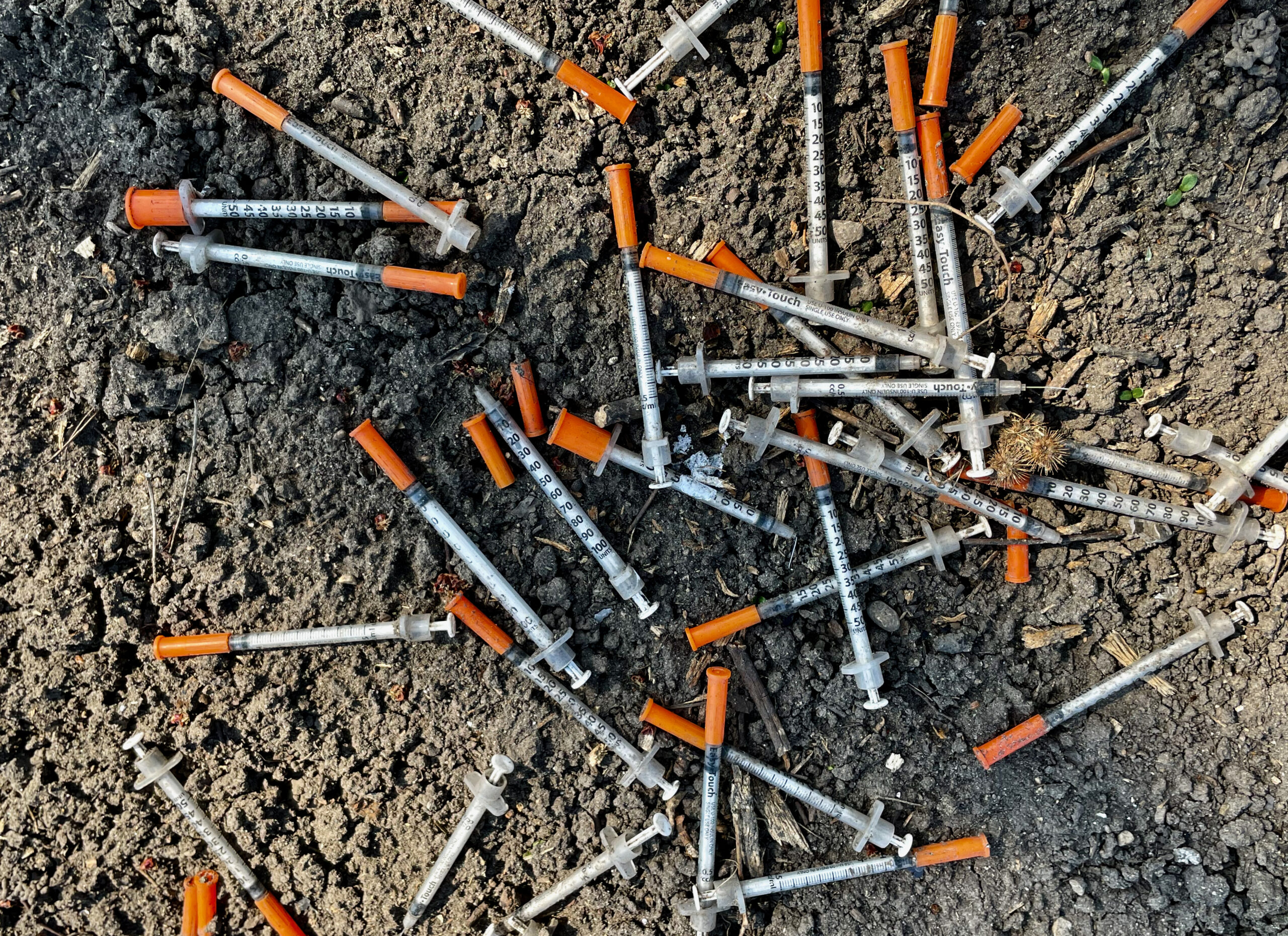
The MAT: Behind the Walls program focuses on improving the lives of imprisoned people. “We are concerned about the drastic amount of overdose and the high rates of opioid deaths after release,” says Chantell Jewell, superintendent of the Milwaukee County Correctional Home. (Photo from the Adam Carr archive)
As Milwaukee County moves at a pace that could eclipse last year’s record high of 545 drug overdose deaths, a new approach is being developed to help save the lives of a group that is among those most at risk: people recently released from the criminal justice system.
“We are concerned about the drastic amount of overdose and the high rates of opioid deaths after release,” said Chantell Jewell, superintendent of the Milwaukee County Correctional Home. “We’re willing to look at different ways to address the needs of our populations here, and sometimes that involves a certain amount of risk and doing things we’ve never done before.”
Jewell refers to the pilot program of the Behavioral Health Division of Milwaukee County called MAT: Behind the Walls. MAT means drug-assisted treatment, a proven, but sometimes controversial, approach to treating opioid addiction. This treatment includes injections of Vivitrol, a drug used to block the effects of opioids administered four months before a person was released, said Liz Schwartz, a case manager for the program. Participants can receive up to three injections, he added.
Planning for the program, which is supported by a grant from the U.S. Department of Justice (Bureau of Assistance Justice), began in 2019, although the pandemic was delayed somewhat. The MAT approach has been adopted in court facilities across the country, including the Dane County Jail in Madison.
Along with the medication, inmates meet weekly with a counselor and a specialist who has experienced addiction. This treatment, including Vivitrol injections, continues after release, which also allows participants to meet with the same specialists with whom they established a relationship while imprisoned, he said.
“The combination of medication and support is a key element for the program to be successful,” Schwartz said.
To date, 47 inmates of the House of Correction have completed the program and 15 are current participants. It is also offered to people moving from the Milwaukee Safe Detention Center, he said.
The program seeks to save lives. Numerous research studies have highlighted the high risk of drug overdose for the readmission population. A study in North Carolina found that during the first two weeks of release, people who were previously imprisoned were 40 times more likely than the general population to die from an opioid overdose.
“People released would re-use the same amount they did before they were imprisoned,” Schwartz said. “They didn’t realize that their tolerance had changed and that the dose was very high and they would die.”
This is significant considering that 70% to 75% of the Corrections House population reveals a substance use disorder at the time of sentencing, Jewell said.
Part of helping individuals avoid a fatal overdose is working with equality specialists to develop a safety plan, said Amanda Rodriguez, head of community programs and integration of community medical services. This strategy involves training Narcan and identifying someone in the person’s home who can help in an overdose situation.
“We ask them who is the safe person in your environment to explain what an overdose is like and who will throw Narcan down your nose,” said Rodriguez, who added that each participant will be provided with a Narcan kit upon leaving.
Community medical services, along with Wisconsin community services, are two local organizations that support treatment while they are imprisoned and after they are released. Other partners include Wellpath and the University of Wisconsin-Milwaukee.
These efforts come as Milwaukee County continues to fight to stem the tide of drug overdose deaths.
The macabre pace continues
This year, from January 1 to September 15, 321 deaths from drug overdoses were confirmed, with 106 cases pending, according to data provided by Karen Domagalski, head of operations at the office of medical examiners of the Milwaukee County. Tragically, the number of deaths increased monthly during the first five months of the year, with 40 occurring in January up to a maximum of 60 in May. That month, there were only three days in which no overdose death occurred.
The single deadliest day this year was March 29, when an overdose of six people was made, including two who died together of fentanyl and cocaine toxicity in a North Side home, and two homeless. . During the same period last year, there were 414 deaths from drug overdoses.
In addition to reducing drug overdose, the main goal of MAT is recidivism, Jewell said.
“People often have criminal behavior to support drug addiction,” he said. “If we are successful, there will be a decrease in opioid use and, with it, a decrease in criminal behavior.”
Schwartz said the program has given hope to some participants.
“A lot of them tell me they felt lonely and that no one cared,” he said. “They are grateful for the help they receive and want to be better.”
Where you can get help
Drug treatment services in the Milwaukee area are available at the following locations:
• Gateway to change
• Comprehensive treatment center on 10th Street
• Rogers behavioral health
• West Milwaukee Comprehensive Treatment Center
• First step community recovery center
• Meta House
• West Allis Community Medical Services
•United Community Center
In case you missed it: NNS Spotlight: “People are bigger than the mistakes they have made”: how a woman wants to transform the judicial system
[ad_2]Methadone Clinics Nearby – Methadone Clinic New York City – Methadone Clinics USA


