
[ad_1]
The Murdaugh family saga, a well-connected legal dynasty in South Carolina, has sparked attention on the state’s black market for prescription opioids and how officials have struggled to contain the drug crisis. booming during the pandemic.
Among the questions that state investigators must unravel to attorney Alex Murdaugh, who was charged Thursday in connection with an attempt to stage his own death, is the money he allegedly stole from the law firm. ‘lawyers of his family, how they were spent and who benefited.
Reports suggest they appropriated “millions of dollars” and his lawyer, Richard “Dick” Harpootlian, told NBC’s “TODAY” program Wednesday that the “vast majority” of the funds were used to buy opioids and that there were “checks written to drug traffickers.”
The public fall of Murdaugh, a prominent personal injury lawyer whose family patriarchs had previously exercised power as chief prosecutor in the coastal country of South Carolina, underscores how opioid abuse can wipe out people from all walks of life. , said Christina Andrews, an associate professor in the Department of Health Policy and Management at the University of South Carolina.
In addition, the perception from the outside that Murdaugh could take a job (he also volunteered in cases for 14th Circuit advocacy) should be a warning, he added.
“It’s a common misconception that if you have a serious addiction, the signs will be inescapable,” Andrews said. “That’s not the case. People can absolutely abuse opioids for years and others find it lacking.”
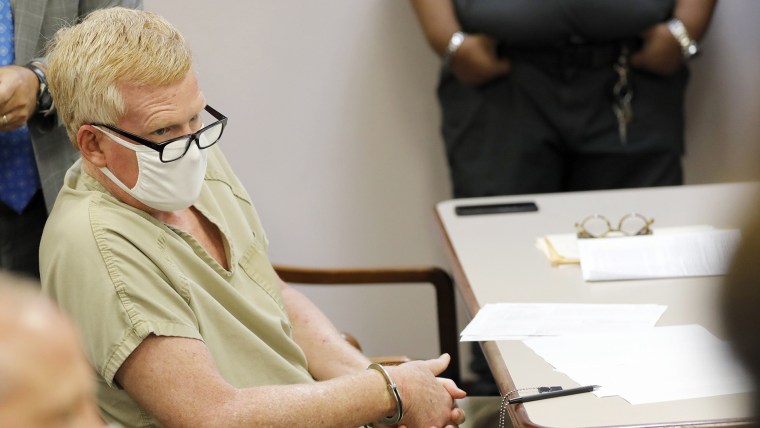
During his first court appearance after surrendering to authorities on Thursday, Murdaugh, 53, was given a $ 20,000 bail as he faces charges of insurance fraud, conspiracy to commit fraud insurance and forgery of a police report, derived from his part in an attempt to create his own death earlier this month so that his son, Buster, could take out a life insurance policy of $ 10 million. Murdaugh filed no plea.
Harpootlian told a Hampton County judge that his client was a 20-year-old opioid addict and that his actions were the result of mental distress following the June killings of his wife, Margaret, and a another son, Paul. Their deaths remain unresolved; Murdaugh’s legal team has denied involvement, as the first murders sparked other family-related criminal investigations.
Magistrate Judge Tonja Alexander ordered Murdaugh to hand over his passport, but allowed him to return out of state to a drug rehab center.
“He’s fallen for grace,” Harpootlian said, with the client crying.
“He is no longer a man with significant means.”
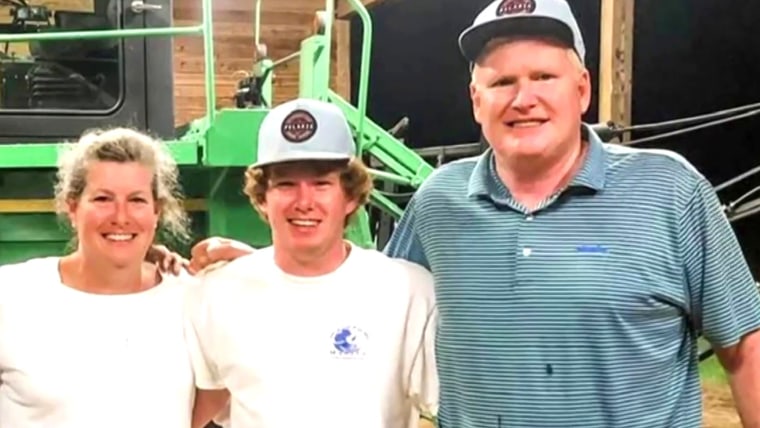
According to his attorneys, Murdaugh told law enforcement division agents in South Carolina that his “main” opioid supplier was Curtis Edward Smith, a former client who was now accused of helping. lo in the tricky effort of staging his own death during a fake road attack during Labor Day weekend. Prosecutors say Murdaugh provided Smith with a gun and directed him to shoot him in the head, but Murdaugh was only superficially grazed.
Smith has been charged with conspiracy and insurance fraud and assisting a person in suicide, among others.
Murdaugh’s lawyers have said his client has an addiction to oxycodone and was trying to get off drugs when he first started thinking about suicide. It is unclear how his drug addiction began and Murdaugh’s lawyer did not answer questions about whether he previously sought treatment for his addiction or whether his family and colleagues knew the extent of it. .
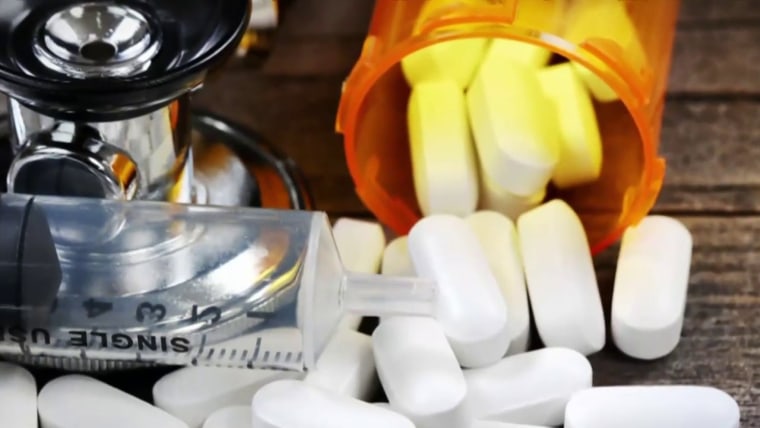
Opioid experts say painkiller addiction can become expensive, especially after federal and state authorities like South Carolina cracked down on prescriptions and sales through drug control programs, which have inadvertently pushed people. black market addicts.
For example, 20 20-milligram oxycontin pills could cost about $ 25 each, Andrews said.
“You can accumulate tens of thousands of dollars over six figures throughout the year,” he added.
And if a drug dealer knows that his client is a media person who wants to stay discreet, it is not known what his addiction can cost. “This is not an industry known for its highest ethical standard,” said Andrews, who is studying the treatment of opioid use disorder for Medicaid recipients.
Alex Murdaugh cries during his bonding hearing on September 16, 2021 in Varnville, SCMick Smith / AP
South Carolina has been flooded with opioids with a devastating effect.
According to a preliminary report from the Centers for Disease Control and Prevention, this summer, deaths from overdoses of state drugs, the vast majority caused by opioids, including fentanyl and heroin, rose more than 50 percent. 2020. Across the country, there were 93,000 drug overdoses, most related to opioids, the highest figure recorded in 12 months and a 30% increase over 2019.
South Carolina ranked fourth among the states with the largest increase in fatal overdoses last year, behind Vermont, West Virginia and Kentucky.
Experts say the blockades and restrictions during the pandemic probably left drug users and people facing substance abuse isolated and without their normal treatments.
While prescription painkillers caused the country’s overdose epidemic, they were replaced first by heroin and then by fentanyl, a dangerously powerful opioid, in recent years. Fentanyl was developed to treat severe pain from diseases such as cancer, but has been increasingly sold illegally and mixed with other drugs.
“What is really driving the increase in overdoses is this increasingly poisoned drug supply,” Shannon Monnat, an associate professor of sociology at Syracuse University who investigates geographic patterns in cases of overdose, told the Associated Press. “Almost all of this increase is somehow contamination with fentanyl.”
South Carolina officials have studied ways to break the underground market for illicit opioids and drugs. In July, the “Operation Pentagon” of Hampton County authorities got at least 19 people involved in the distribution of heroin, fentanyl and other drugs.
In recent years, several counties have sued pharmaceutical companies and doctors for their part to fuel the opioid crisis.
South Carolina Gov. Henry McMaster, who has called opioids a “scourge,” signed a bill in August that expands access to naloxone, a life-saving overdose medication. .
Andrews said funding for treatment is essential to solving the problem, as he is also looking for ways to reduce the stigma of drug addiction.
“Addiction is a powerful disease,” he said. “As we have seen, it can lead to cloudy decision-making and underestimate the risks.”
If you or someone you know is in crisis, call the National Suicide Prevention Lifeline at 800-273-8255, send a HOME message to 741741, or visit SpeakingOfSuicide.com/resources for additional resources.
[ad_2]Source: https://www.nbcnews.com/news/us-news/behind-alex-murdaugh-s-fall-grace-drug-addiction-fueled-opioid-n1279453
Methadone Clinic In My Area – Methadone Clinics New York City – Methadone Clinics USA


