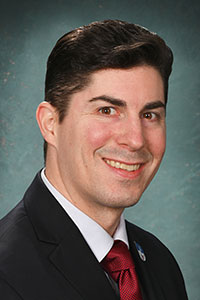
This week I’m excited to share my interview with Jenn Krautsch on women and drinking. Jen is the founder of SoberSis, an organization that helps women look at or change their relationship with alcohol.
1. Please briefly introduce yourself to those that don’t know you.
Thank you for having me, and it’s fun to have this conversation. I feel it’s relevant and a conversation that I needed along the way, myself.
I’m Jenn. I’m a married mother of two living in Texas. I’ve been married for about 25 years. I’m almost fifty years old, with two adult children ages 22 and 20. I’ve recently entered an empty nest phase and think I’ve found my next calling and my purpose in life.
2. What has been your relationship with alcohol and what made you decide that you needed to make a change?
I grew up in a conservative Christian home in good ‘ole Bible Belt Texas with parents that didn’t drink. I’m an 80s kid and grew up when drinking was not as prevalent as it is today. There were undoubtedly people drinking all around me, kind of the party crowd. Other people in high school and college didn’t drink. That made my decision not to drink actually not that big of a deal. I was one of those rule-following kids, which is ironic when you hear more of my story and how I was called to the work I’m doing now.
I think it is important for a lot of parents to hear that I grew up with parents that didn’t drink. My parents led the way by example and yet in our society today, it can still be very confusing and very hard to talk about. Alcohol use, alcohol dependency, or alcohol, in general, is a real grey area topic because it’s so socially acceptable.
I was a later in life drinker, late to the party if you will. It was in my early 30s when I started social drinking. Being a young working mom, I had young kiddos and had been married for almost a decade. I was doing some network marketing and found myself at Happy Hours in a hotel lobby a lot. That’s when I found myself leaning into this social drinking norm. I spent my 30s catching up to my peers, who, like many people, started drinking in high school or college or did binge drinking or even had an unhealthy relationship with drinking. Then they settled down a little bit.
For me, I started that whole process in my 30s as a working mom. It was very tricky. I couldn’t let on how difficult it was to navigate at times. I should have known more than I did, but I’m very thankful for my upbringing because it offered protection and provision through those years.
Everyone’s story is unique, but there is a common thread too.
I turned 40 the year my daughter turned 13. It was the perfect storm of hormones, all the fear, and anxiety that can come with raising a teenager.
My social drinking, which I was still navigating, turned into an ingrained habit. What started as a treat and a way to connect with my husband on a date night or when meeting friends, in my early 40s turned into a coping mechanism to deal with anxiety from raising teenagers that were very different than I was at their age.
It can throw a parent when you’ve grown up a certain way, and your personality clashes with your child’s’. I honestly didn’t know how to handle that. I didn’t know what to do. There were a lot of times from age 40 to 45 when she was between 13 and 18 years old when I felt very helpless and very lonely. My husband and I were doing our best to partner in parenting. I found myself very isolated with a lot of the things that I was fearing and worried about. That is when I noticed my drinking turned into self-medicating a lot of my emotions.
Because I didn’t want to in any way cause my daughter or my son to struggle with substances, I didn’t even know how to talk about my beginning stages of struggling with alcohol dependency.
Drinking is so socially normal, acceptable, really glorified in our society.
I looked like everybody else on the outside. My drinking habits and how I was operating in the world were like everyone else.
My struggle was more internal. It was more mental and emotional than it was physical. I wasn’t physically addicted to alcohol, although I do think if I had continued down the path I was on, my drinking was only going to increase. That is the nature of the drug. Drinking increases as you build a tolerance. You build dependency. I was heading in that direction.
Fortunately, I chose to take an early exit off the alcohol highway before I had to. I decided to look at my relationship with drinking and admit that it wasn’t serving me. It was increasing my anxiety. It was increasing my depression. It was increasing my disconnection from my kids and my husband, the very people that I desperately wanted to connect with.
It was an increasing disconnection because I felt shame. I felt uncertain about how I was affecting my family.
Meanwhile, I’m just trying to be the best possible mom and wife. Leaning into that evening glass of wine, which started out as a treat, then a reward, then a routine. It turned into my time, me time, mom time. It turned into needing a drink before going to dinner with my family because there would be conflict and difficulty relating to their teenage lives. I drank to numb the edges a little bit. I found myself doing that, and I didn’t like it.

3. What is different for you personally now that you have decided to stop drinking?
I’m 49 now, and after I turned 45, I thought, wow, I’m at a crossroads. My daughter just graduated from high school. I’m going to be 50 before I know it. I wanted to show up differently at 50, then I did at 40. At 40, I was overwhelmed, exhausted mentally, and physically. I was pretty spent.
I knew I needed to start making tangible changes to feel more like that vibrant, sober-minded self that I was in my 20s.
I wanted to get back to that girl. Where is she? I know that she is in there somewhere. Raising kids was a challenge. Now that they have grown and flown, I wanted to work towards entering this next season of life.
What made a difference was learning a lot about the science behind drinking alcohol.
I grew up with three rules which summed up the information I got from adults about drinking.
- Don’t drink until you are twenty-one.
- Don’t drink until you get drunk.
- Never drink and drive.
By the time I was an adult, I had realized the conversation was different. Adults aren’t talking about their hangovers or their regret. Adults are talking about the shame of how easy it is to pour another glass. Or how easy it is to open a bottle when you are cooking, and then realize, oh my gosh the bottle is gone.
No one is talking about that. Now I’m trying to start a conversation where women can talk about their relationship with alcohol without labels, without shame, judgment, or rules. I wanted to explore the tools, the science that made it less about being flawed or broken, but more about the substance itself and its effects on the body.
With all that I was managing as a mother, I thought that alcohol was just a little sleep aid. I didn’t know that 20 percent of people who drink regularly felt the same way.
A lot of people use it to get to sleep because there is so much anxiety, so much on our minds. No one was talking about how it affected the sleeping routine.
I thought a lot of things that I was dealing with were not universal. I thought I was unique. Because I was so isolated, I didn’t realize that there are millions of women who feel this way. It is almost epidemic proportions, especially for women in their mid-40s and beyond. I primarily work with women who are empty nesters or just finishing up raising teenagers because they are often bored, lonely, and their anxiety has just skyrocketed.
That is where the wine o’clock culture comes in.
All the marketing and messaging match right up. Before we know it, it seems to go hand in hand.
I work with a lot of women who feel the same way. I think we all feel so alone until the conversation feels safe because we don’t talk about forever and always. I say I drink what I want when I want. It’s just that my desires have changed.
So, I’m not working a 12-step program, but that is certainly a great tool and resource.
I’m trying to introduce the idea that there is a spectrum with drinking. There is this grey area. The label alcoholic didn’t fit me. It didn’t resonate, and I wasn’t physically addicted. I hadn’t gotten that far down the drinking highway yet. I wanted to have a conversation while I was on the road and be able to pull over and talk about it and then make the decision to get back on the drinking highway or not.
I work with women who want to cut down, moderate, or be more mindful of their drinking. I also work with women who wish to pursue an alcohol-free lifestyle, just like people who seek a lifestyle of being a vegan or gluten-free.
Some people say, “I think I want to be alcohol-free. I want to be sober because it is healthy for me.” And they are motivated for that reason.
What has been your experience with drinking? Do you feel you have a. healthy relationship with alcohol, or do you feel it has become too good of a friend? Let us know in the comments. What has helped you remain healthy?
Check out Jenn’s FREE “wine o’clock survival guide” for women and her 21 Day Reset/Challenge.

 Jennifer Aniston and Matthew Perry on January 23, 1995 in Century City, California.Ron Galella Collection via Getty Images